17 April 2026
What to plant in the UK in late April
Late April is the week most UK vegetable plots go from tidy and a bit empty to covered in labels and scribbled notes. The soil is warm enough for a lot of direct sowing, the risk of a hard frost is mostly behind us in the south, and anything you start under cover this weekend has time to transplant before summer. Miss the next fortnight and some crops just will not catch up.
Here is the sowing list I am actually following this week, grouped by where it goes. None of this is theoretical. These are the seeds in my shed, the beds I am getting ready, and the frost dates I am checking before anything tender goes in.
Sow direct outdoors this week
The ground is warm enough now for most hardy and half-hardy seeds to go straight in. Rake a shallow drill, water before sowing (not after, if you can help it), and cover with fine soil.
- Carrots — any of the early varieties (Amsterdam Forcing, Nantes). Thin hard or you get a pile of twisted roots. Sow successionally every three weeks for a long harvest.
- Beetroot — Boltardy is still the most reliable for early sowing. One seed cluster gives 3–4 seedlings. Do not be afraid to thin.
- Radishes — 4 weeks to harvest. If you have never grown anything before, start here.
- Salad leaves and spinach — cut-and-come-again mixes. Sow a short row every two weeks.
- Turnips — underrated. Tender and sweet if pulled young. Avoid the giant stock-feed varieties.
- Peas and broad beans — hardy enough that any remaining frost will not bother them. Get a support structure in at the same time.
- Parsnips — slow to germinate (up to a month). Sow now or you run out of growing season in autumn.
- Spring onions — thin-sown, no thinning needed.
Pro tip: if your soil is still heavy and wet, warm it up with a cloche or fleece for a week before sowing. Carrot and beetroot germination is night-and-day different between cold wet soil and warmed soil.
Start under cover for May transplanting
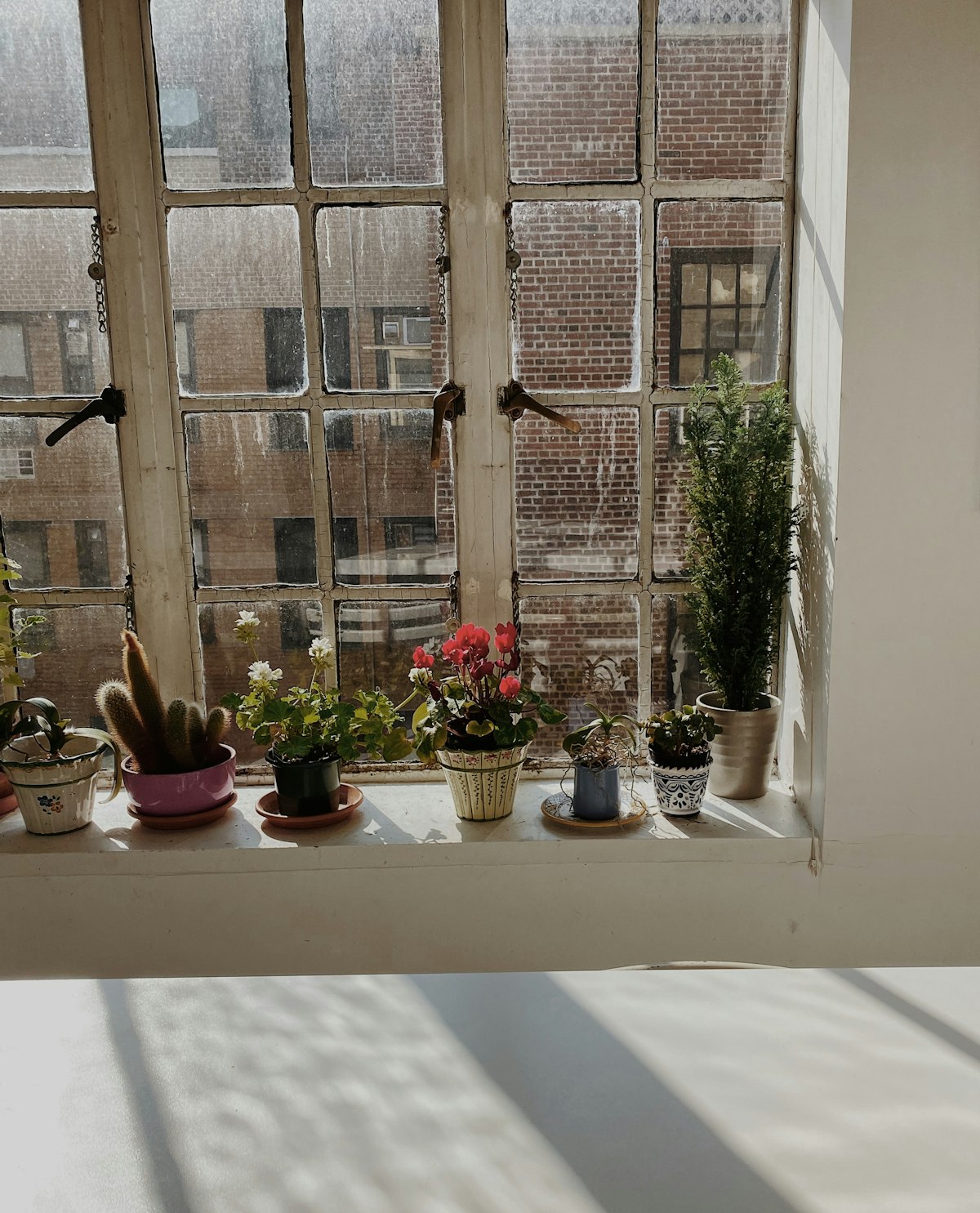
These are the tender crops you do not want outside yet, but that need a head start indoors or in a greenhouse so they are ready to plant out after the last frost. Start them in modules or pots on a sunny windowsill, a propagator, or a frost-free greenhouse.
- Tomatoes — if not already sown, get them in now. They need 6–8 weeks inside before planting out.
- Courgettes and marrows — one seed per 9 cm pot. Ready to plant out in 3–4 weeks.
- Runner beans and French beans — start in root-trainers or deep pots. Plant out after the last frost in your area.
- Pumpkins and squashes — the same timing as courgettes.
- Sweetcorn — direct-sow outdoors is an option but unreliable in the UK. Starting in modules now gives better germination and faster plants. Transplant in blocks (not rows) for pollination.
- Basil — will not tolerate cold, ever. Keep it on a sunny indoor windowsill until after the last frost and even then only outside in the south.
Plant out this week (hardened off)
If you started these earlier in the year and have been hardening them off for a week or two, now is the moment.
- Onion sets and shallots — if not already in
- Second-early potatoes — still time to get them in
- Brassicas — cabbages, cauliflowers, kale, sprouts. Net them immediately or the cabbage white butterflies will find them in a week.
- Strawberries — bare-root or potted runners. Give them room.
- Asparagus crowns — last chance. Do not harvest in the first year.
What to hold back
Late April in the UK is not the “everything goes” signal it can feel like after a warm weekend. The last frost date for most of the UK is somewhere between late April and late May, depending on where you are.
- Tender crops planted out — tomatoes, peppers, aubergines, basil, courgettes. All of these are still too risky for the open ground until your last frost date has passed. One cold night finishes them.
- Dahlias, cosmos, and other summer bedding — the same rule. Wait for the frost date.
- Winter brassicas — too early. Sow those in May and June for autumn and winter harvest.
Frost dates vary more than you think
The “UK last frost” figure you see repeated online is usually late April or early May, but that masks a real split. Coastal Cornwall is frost-free by late March most years. Inland Scotland and northern Pennines can still get frosts into early June. If you are planting out based on a national average, you are either going to lose tender crops to a late cold snap, or hold back too long and shorten your growing season.
Your postcode area is the right level of detail. The RHS groups the UK into climate regions, and within those, postcode areas have their own last-frost and first-frost averages based on long-term Met Office data. Knowing that Neath has a last frost around 24 April and a first frost around 8 November is much more useful than “late April” because it lets you plan the specific week you plant out.
Keeping track without a spreadsheet nightmare
I started growing vegetables seriously in 2024 and within one season I had a notebook full of half-finished labels, a phone full of photos I could not identify, and no idea how much I had actually harvested from the two tomato plants that survived the slugs.
So when I added Plants as the fifth asset type in Kepthouse this month, this was the use case I built it around. Type a plant name, look it up from a catalogue of over 350,000 species, and the care data fills in automatically: RHS hardiness, sun needs, watering frequency, soil pH range, flowering and pruning months, edibility. Link the plant to a property and it uses the postcode to pull the regional frost dates so the winter-watering pause and any frost-risk reminders are actually right for where you live. Log each harvest, log any losses (the slugs, the frost, the disease), and at the end of the season you can see how much your plot actually produced.
It is free, no separate gardening subscription, and it works alongside everything else the app tracks. If you are reading this while deciding what to sow this weekend, it is worth setting up the plot properly while the list is still fresh.
Read more about the Plants feature →

FAQ
Is it too late to plant potatoes in late April?
No, for second-earlies and maincrops. First-earlies ideally went in a few weeks ago but you will still get a crop if you plant now. The trade-off is later harvest and slightly smaller yield. Better to get them in late than skip a year.
Can I sow tomatoes outdoors in late April?
Not in most of the UK. Tomato plants do not tolerate frost and outside soil is still too cold for outdoor-sown seed to germinate reliably. Start them indoors in modules or on a sunny windowsill, and plant out after your local last frost date (typically mid-May in the south, late May or early June further north).
When is the last frost in the UK in 2026?
It depends on where you are. South and west coast: mid-to-late April most years. Midlands and east: early May. North and inland: mid to late May. Higher ground and parts of Scotland: early June is not unusual. Check your postcode, not a national figure.
What grows best for beginners in April?
Radishes, salad leaves, peas, and beetroot. All direct-sown, fast, forgiving, and they reward you within weeks instead of months. Radishes in particular are ready in 4 weeks, which is all the positive reinforcement a new gardener needs.
Do I need a greenhouse?
No. A sunny windowsill does most of what a greenhouse does for the tender crops on this list. The limit is space. If you get bitten by the growing bug, a cheap cold frame or plastic-sheeted grow-house is the first upgrade.
What if I miss this week?
Most of the list still works in early May. Parsnips are the outlier because they need the longest growing season. Everything else just shifts your harvest back by a week or two.