Why Home Renovations Turn Into Chaos — And How to Stop It
You started with a plan. You ended with a WhatsApp thread you can't find, three missed calls from a tiler, and a receipt photo buried somewhere in last month's camera roll.
Nobody starts a home project expecting it to be disorganised. You get the quotes. You pick the tradesperson. You agree a budget. It all feels manageable.
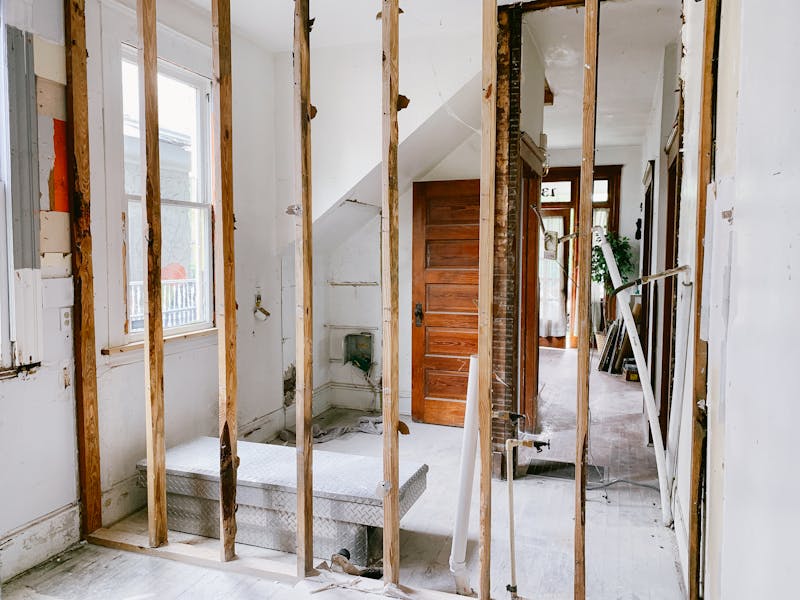
Then the work actually starts.
The problem isn't the project. It's where the information lives.
Think about where the details of your last home project ended up:
- The quote from the joiner? In an email you'll never find again.
- The plumber's number? In your phone contacts, saved as "Dave" — alongside three other Daves.
- That WhatsApp message where you agreed the price? Buried in a group chat from six weeks ago, somewhere between holiday photos and a link to a meme.
- The receipt for the tiles? In your camera roll, between a screenshot of a parking ticket and a photo of someone's dog.
- The running total of what you've spent? On a scrap of paper. Or in a Notes app. Or nowhere.
- The warranty for the new oven? In the bottom of a kitchen drawer, still in the box you told yourself you'd file properly.
Sound familiar?
The information exists. It's just spread across seven different apps, two drawers, and a carrier bag of receipts behind the toaster.
It gets worse when there's more than one person involved
A kitchen renovation isn't a solo project. You've got a joiner, a plumber, an electrician, maybe a tiler, and the person who delivers the units on a day when nobody's home. Each one communicates differently — WhatsApp, phone calls, text messages, email. Some don't communicate at all.
You're the project manager. Except you didn't sign up for that, you don't have a project management tool, and you're doing it on top of a full-time job and a house that currently doesn't have a working kitchen.
The questions pile up:
- Has the electrician been paid? You think so. The bank transfer was... last Tuesday? Or was that the skip hire?
- What was the plumber's day rate? He told you on the phone. You didn't write it down.
- Are you over budget? You'd need to find every receipt, every transfer, every cash payment. It would take an hour. So you don't.
- When's the gas safety certificate due on the new boiler? It's somewhere in the paperwork. Probably.
Spreadsheets don't work either
Some people try a spreadsheet. It works for about a week. Then you stop updating it because adding a row on your phone is annoying, you can't attach a receipt photo to a cell, and the spreadsheet doesn't remind you that the electrician is coming tomorrow.
A spreadsheet is a record. It's not a system. It doesn't nudge you. It doesn't connect the plumber to the payment to the warranty to the task. It just sits there, getting more out of date with every day you forget to open it.
What you actually need
You don't need another app for notes. You don't need a spreadsheet. You need one place where:
- The budget is always up to date — because you log spend items as they happen, with a photo of the receipt attached
- You can see instantly whether you're over budget or on track
- Every tradesperson is saved with their phone number, email, and a rating of how good they were
- The tasks are listed, and the ones that are done are ticked off, and the progress bar updates itself
- The warranty for the new appliance is linked to the project, so when something breaks in six months you don't have to dig through emails
- You get a reminder before the gas safety certificate expires, or the insurance renewal is due, or the skip hire runs out
That's not a dream. That's what a project tracker should actually do.
The real cost of disorganisation
It's not just the stress. Disorganised home projects cost real money:
- Missed warranty claims — you didn't know it expired. The repair costs you £400 that should have been free.
- Budget overruns you didn't see coming — because you were tracking spend in your head and your head was wrong.
- Paying twice for the same thing — because you couldn't find the receipt to prove you already paid.
- Hiring the wrong person again — because you forgot that the last time you used them, they didn't show up for three days.
- Late certificate renewals — gas safety certificates, EPC renewals, insurance lapses. Each one is a fine waiting to happen if you're a landlord.
It doesn't have to be this way
I built Kepthouse because I kept living through exactly this. Every home project started organised and ended in chaos. Not because the work was bad, but because the information had nowhere to live.
Projects in Kepthouse let you put everything in one place:
Budget, spend, progress, and contacts — all in one place
- Budget tracking with warnings at 80% and when you go over
- Itemised spend with categories (Materials, Labour, Permits, Skip Hire) and receipt photos attached
- Progress tracking from linked tasks — the progress bar updates as you tick things off
- Tradespeople linked to payments — see who was paid what and when
- Warranties linked to the project — so when the new appliance breaks, you know it's covered
- Deadline reminders — set a target date and get nudged before it arrives
No spreadsheets. No carrier bags of receipts. No scrolling through WhatsApp trying to find a price someone quoted you three weeks ago.
Just one place where everything about the project lives.
Stop managing your renovation in WhatsApp
Kepthouse is free to download with 15 items included. Projects, budgets, contacts, warranties, and reminders — all in one app.
Try Kepthouse free on Google Play →No sign-up required. No card needed. Just download and go.